Introduction
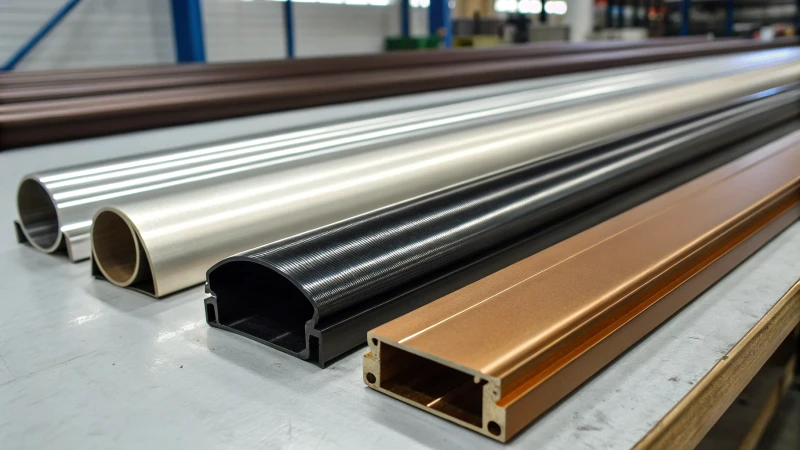
Anodizing is an electrochemical process that enhances the natural oxide layer on aluminum, improving its durability, corrosion resistance, and appearance. It is widely used in façades, window systems, curtain walls, railings, and architectural cladding.
What is Anodizing?
Anodizing converts the aluminum surface into a thick, controlled oxide layer. Unlike paint or coating, this layer:
Is integrated with the metal
Does not peel or flake
Improves corrosion resistance
Enhances surface hardness
Because the oxide layer is inorganic, it reacts differently to sunlight compared to organic coatings.
Does UV Radiation Damage Anodized Aluminum?
Clear (Natural) Anodizing
Clear anodized aluminum has excellent UV resistance.
Since the oxide layer is inorganic, UV rays do not break it down like paint or powder coatings.
No chalking
No peeling
Minimal surface degradation
It remains stable even in harsh sun-exposed environments like India and the Middle East.
Colored Anodizing
Color stability depends on the coloring method:
a) Electrolytic Coloring (Architectural Grade)
Highly UV stable
Long-term color retention
Used in façade applications
b) Organic Dye Coloring
Can fade over time
Not recommended for heavy exterior exposure
Important: Architectural anodizing typically uses UV-stable processes.
Common UV-Related Issues (Not True Damage)
Sometimes people mistake these for UV damage:
Slight color shift after years
Surface dirt accumulation
Loss of gloss due to weathering
Improper sealing during anodizing
These are usually due to environmental exposure, not UV breakdown.
Comparison: Anodizing vs Other Finishes
Property | Anodizing | Powder Coating | Paint |
|---|---|---|---|
UV Resistance | Excellent | Good (depends on grade) | Moderate |
Peeling Risk | No | Possible | Possible |
Color Fading | Very Low (architectural) | Moderate | Higher |
Maintenance | Low | Medium | High |
How to Prevent UV & Weathering Effects
For long-lasting performance:
Use Architectural Grade Anodizing (15–25 microns)
Ensure proper sealing process
Clean surfaces periodically
Avoid abrasive cleaning agents
Specify certified applicators
For façade projects, always follow international standards like AA or Qualanod specifications.
Lifespan in Exterior Applications
High-quality anodized aluminum can last:
20–30+ years in exterior façades
Even longer in non-coastal areas
UV exposure alone does not significantly reduce lifespan when proper anodizing thickness is maintained.
Conclusion
Ultraviolet radiation does not significantly damage properly anodized aluminum. Clear anodized finishes are highly UV stable, while architectural electrolytic colored anodizing offers long-term color retention.
For façade systems, anodizing remains one of the most durable and low-maintenance finishing solutions available.